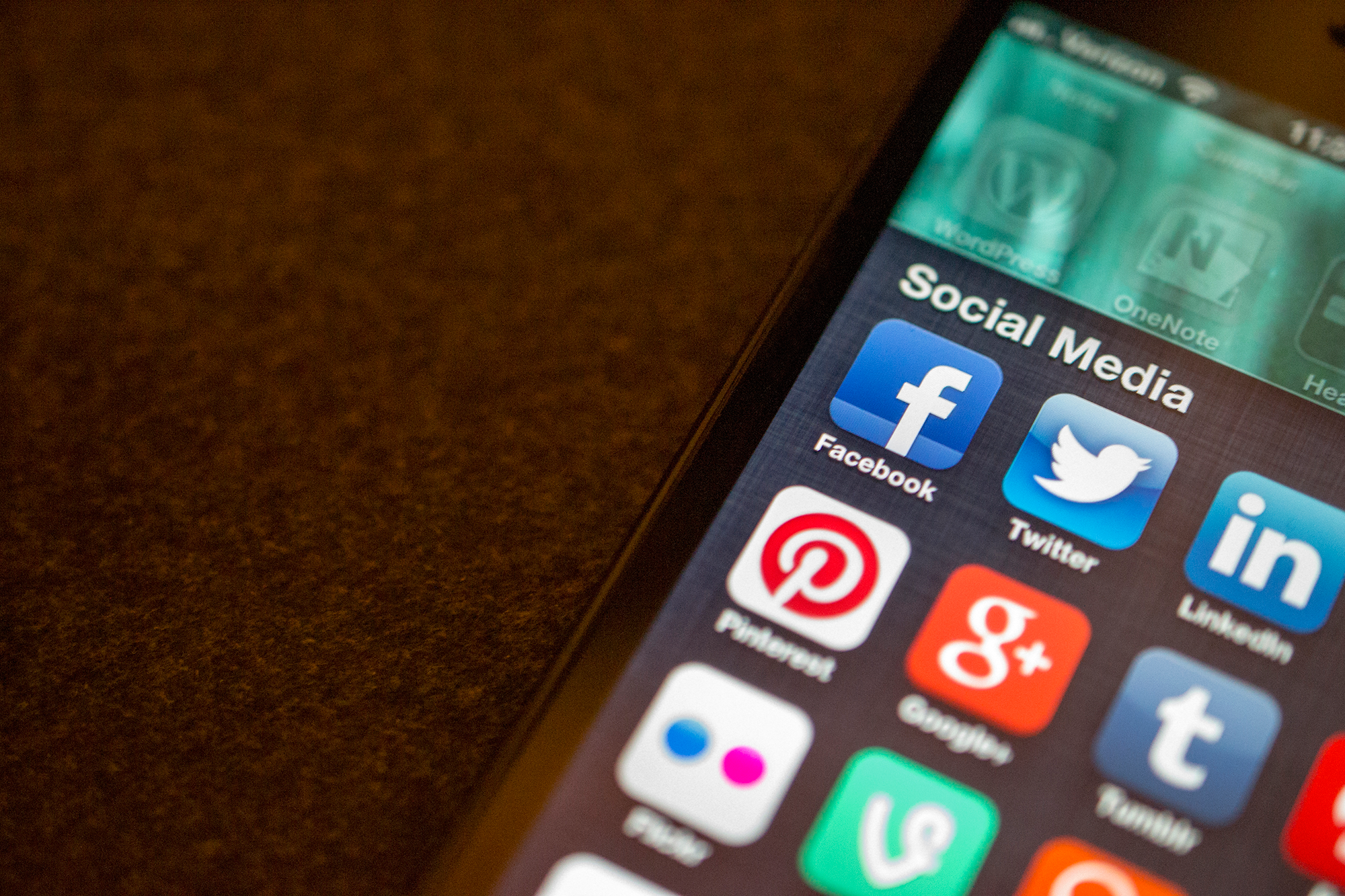
Since we live in a society where we want everything now and we basically have the ability to access everything now, there is one other important detail that goes along with that. We also expect and assume that the information we access immediately is accurate. According to Harris (2015) “The public should expect accurate online information, yet too often news stories, PR materials and other information are inaccurate.” We expect the content that we find online to always be accurate, but unfortunately that is not always the case. We have to spend time researching and comparing articles to verify accuracy. We also have to consider the actual source that it came from. Often times, even if it is a major company we assume it to be accurate, but unfortunately that is not always the case.

According to Mitchell, Gottfried, and Barthel, (2016) “Only about two-in-ten Americans (22%) trust the information they get from local news organizations a lot, whether online or offline, and 18% say the same of national organizations, slightly higher than the 14% who say this of the information they get from their friends and family.” There are so many false articles floating around, that one should not trust the information without reviewing and researching its accuracy. Also, although we want to trust our friends and family members, that is not something that we should do. When messages are relayed, sometimes people interpret things differently or they may leave out a piece that is very important. This is why one should always check it themselves.
Harris, Jeremy (2015). Huffington Post. The Ethics of Social Media Accuracy. Retrieved from http://www.huffingtonpost.com/jeremy-harris-lipschultz/the-ethics-of-social-media_b_7489280.html
Mitchell, Amy; Gottfried, Jeffrey; Barthel, Michael (2016, July 7). Pew Research Center. Trust and Accuracy. Retrieved from http://www.journalism.org/2016/07/07/trust-and-accuracy/
Comments
Post a Comment